Your elevator is down, tenants are calling, and someone just asked when it will be back online. At the same time, you've got an inspection date coming up, a budget to defend, and a service provider who may or may not be giving you a straight answer. That's usually when people start searching for elevator service companies near me.
The problem is that most search results don't help you compare what matters. They all say “24/7 service,” “experienced technicians,” and “quality maintenance.” Those phrases don't tell you whether the company can keep an older hydraulic unit running, support a traction modernization without locking you into one manufacturer, or solve repeat door faults instead of billing you for the same callback every month.
If you manage a building in Southern Michigan, the right elevator contractor isn't just a repair vendor. They're part of your risk management, capital planning, and tenant retention strategy. A weak partner costs you twice. First in downtime, then again in recurring repairs and avoidable upgrades.
What to Look For in an Elevator Service Partner
A service partner has to do more than show up fast. They need to keep the equipment running, keep you compliant, and give you workable options when the elevator starts aging out instead of cornering you into one expensive path.
That starts with range. If a contractor can maintain a unit but cannot diagnose recurring control issues, rebuild a worn door system, or manage a modernization without turning the job over to someone else, you are not really hiring a long-term partner. You are hiring a stopgap.
Start with service scope
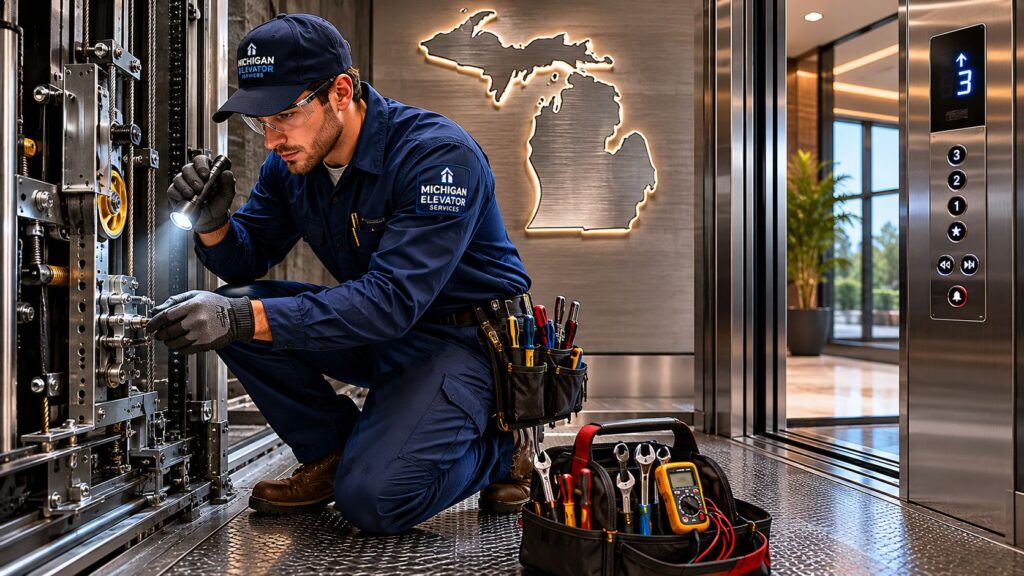
Look for a contractor that can support the full maintenance-to-modernization lifecycle for both hydraulic and traction systems. Buildings rarely fail in neat categories. A pump unit may be fine while the controller is dated. The machine may run, but doors keep faulting because the operator, tracks, or interlocks were never corrected properly.
That is where service quality shows up in real dollars. Repeated callbacks usually mean someone is treating symptoms instead of solving the cause. Over a year, that drives up labor charges, frustrates tenants, and shortens the time before a larger capital request lands on your desk.
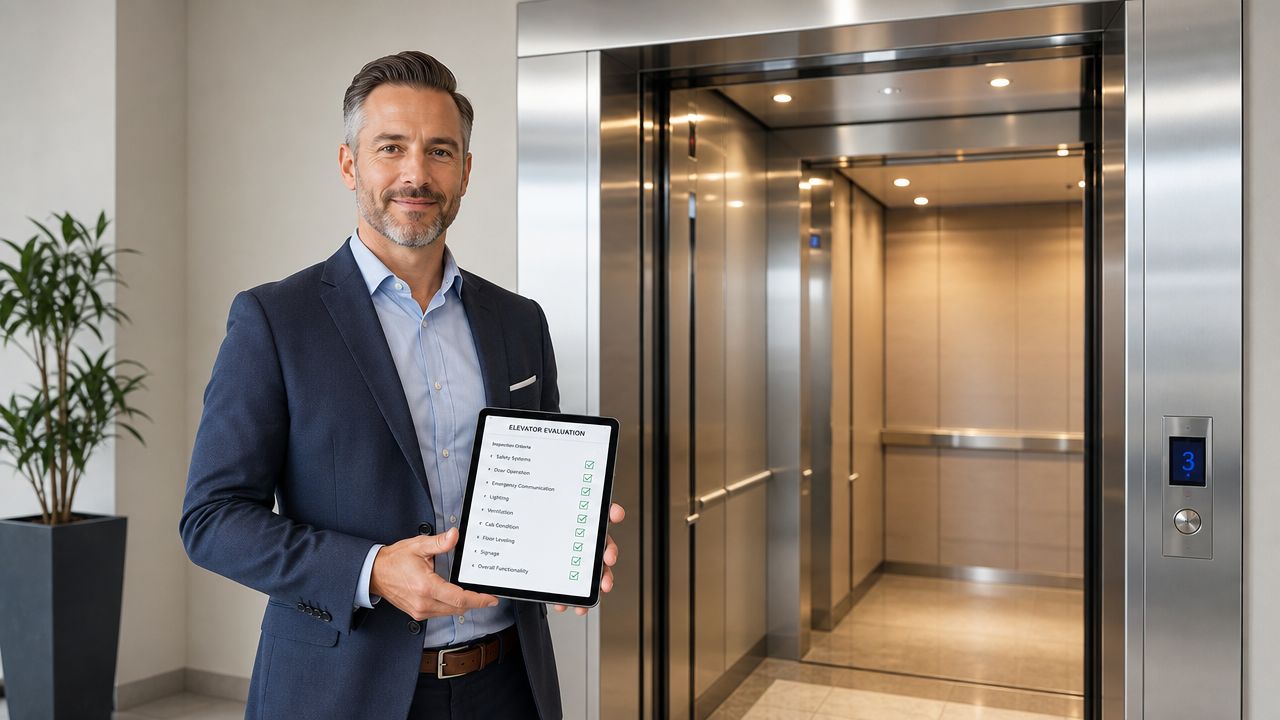
Ask direct questions:
- Do you regularly service both hydraulic and traction elevators?
- Can you perform modernization work with your own team, or do you subcontract it?
- Do you support multiple manufacturers and older mixed-brand equipment?
- Can you maintain passenger elevators, freight units, lifts, and other specialty applications in the same portfolio?
A contractor should answer those clearly. If the answer gets vague, expect problems later.
Watch for vendor lock-in
Service flexibility matters just as much as technical skill. Many owners find out too late that a cheap modernization or attractive service agreement came with limited parts access, restricted software tools, or controls that tie future work to one manufacturer.
That changes the economics of the asset. Once your building is locked into a proprietary platform, fewer companies can bid the work, pricing pressure drops, and even routine repairs can take longer or cost more than they should.
Ask what stays open-market after installation or modernization. Ask who can access diagnostics. Ask whether replacement parts can be sourced outside the original manufacturer. Those answers tell you whether you are buying a repair strategy or a long-term dependency.
Independent, non-proprietary contractors usually give building owners more room to manage cost over the life of the equipment. That does not mean every OEM relationship is wrong. It means you should understand the trade-off before signing, especially if your goal is lower total cost of ownership across a mixed portfolio.
Separate field capability from sales language
A polished proposal is easy to produce. Reliable maintenance is harder.
The companies worth considering can explain what happens during a visit. They should be able to tell you what gets inspected, cleaned, adjusted, tested, documented, and tracked over time. They should also be honest about labor coverage, parts availability, and what conditions would justify repair versus modernization.
Cheap contracts usually give something up:
- Fewer technician hours per route
- Short maintenance visits focused on resets instead of inspection
- Poor follow-up on parts and recurring issues
- More after-hours calls because preventive work was skipped
A better comparison is service method, not just price. If you are reviewing providers, this breakdown of reliable elevator company standards is more useful than a low monthly number with unclear scope.
The right partner helps you control downtime, pass inspections, and avoid getting trapped in a proprietary service model that gets more expensive every contract cycle.
Comparing Elevator Companies in Southern Michigan
Southern Michigan building owners usually face two broad choices. One is the large OEM model, where the manufacturer or a major brand affiliate handles service. The other is the independent contractor model, where the company services multiple brands and usually builds its business around local field support.
Neither model is automatically wrong. The better fit depends on your equipment, your contract terms, and how much flexibility you want over the life of the asset. But most owners don't compare them clearly enough before signing.
The biggest difference is control
A major underserved issue in searches for elevator service is vendor neutrality and long-term serviceability. As Diversified Elevator notes in its non-proprietary positioning, many local results market branded ecosystems, while some providers explicitly center non-proprietary equipment. That matters when buyers care about lifecycle ownership costs, parts access, and service lock-in.
In practice, the trade-off looks like this: OEMs often understand their own systems thoroughly, but independents usually give owners more freedom across brands and more bargaining power when contracts renew.
| Factor | Large OEM (e.g., Otis, KONE) | Independent Contractor (e.g., Crane Elevator) |
|---|---|---|
| Equipment approach | Often aligned to branded platforms and manufacturer ecosystems | Typically focused on multi-brand support and open-market serviceability |
| Long-term flexibility | Can narrow future service options if systems or components are proprietary | Usually preserves more bidding flexibility for future maintenance and repairs |
| Parts strategy | May rely more heavily on brand-specific channels | Often works across broader parts sources for mixed portfolios |
| Modernization direction | Frequently steers toward the OEM's preferred package | More likely to build around what fits the building and budget |
| Contract leverage | Owner can lose leverage if the system becomes hard for others to service | Owner generally keeps more negotiating power over time |
| Local relationship | May depend on branch structure and regional staffing | Often more direct access to decision-makers and field personnel |
What works and what doesn't
OEM service works well when your building has newer branded equipment and you're comfortable staying inside that manufacturer's lane for years. It can also work if your internal team wants one source for factory-backed updates and doesn't mind less flexibility.
What doesn't work well is signing into a closed ecosystem without understanding the exit cost. That's where many owners get burned. The initial sale sounds clean. Years later, the building is tied to one contractor for diagnostics, parts, software, and upgrade paths.
An independent model usually fits better when your property has:
- Mixed equipment brands across a portfolio
- Older elevators that need selective modernization instead of wholesale replacement
- Budget pressure that requires competitive bidding
- Management turnover, where future teams need clear documentation and open service options
A service contract should protect the building, not trap the owner.
Southern Michigan reality
In this market, a lot of buildings aren't operating brand-new uniform systems. You'll see older hydraulic elevators in low-rise multifamily and municipal properties, traction units in office or hospital settings, freight cars in industrial buildings, and accessibility lifts that have their own service needs. That variety favors a contractor who can work across makes and models without turning every recommendation into a proprietary conversion.
The companies worth shortlisting are the ones that can answer practical questions directly. Can they support existing equipment? Can they correct violations? Can they modernize only what's failing? Can another qualified provider service the equipment later?
If the answer to that last question gets vague, pay attention.
Evaluating Proactive Maintenance Programs
A building manager usually sees the problem after the service ticket closes. The elevator is back online, but the same door fault returns next week, the car rides rough again next month, and the budget starts filling with small repairs that should have been prevented.
That pattern usually points to the maintenance program, not bad luck.
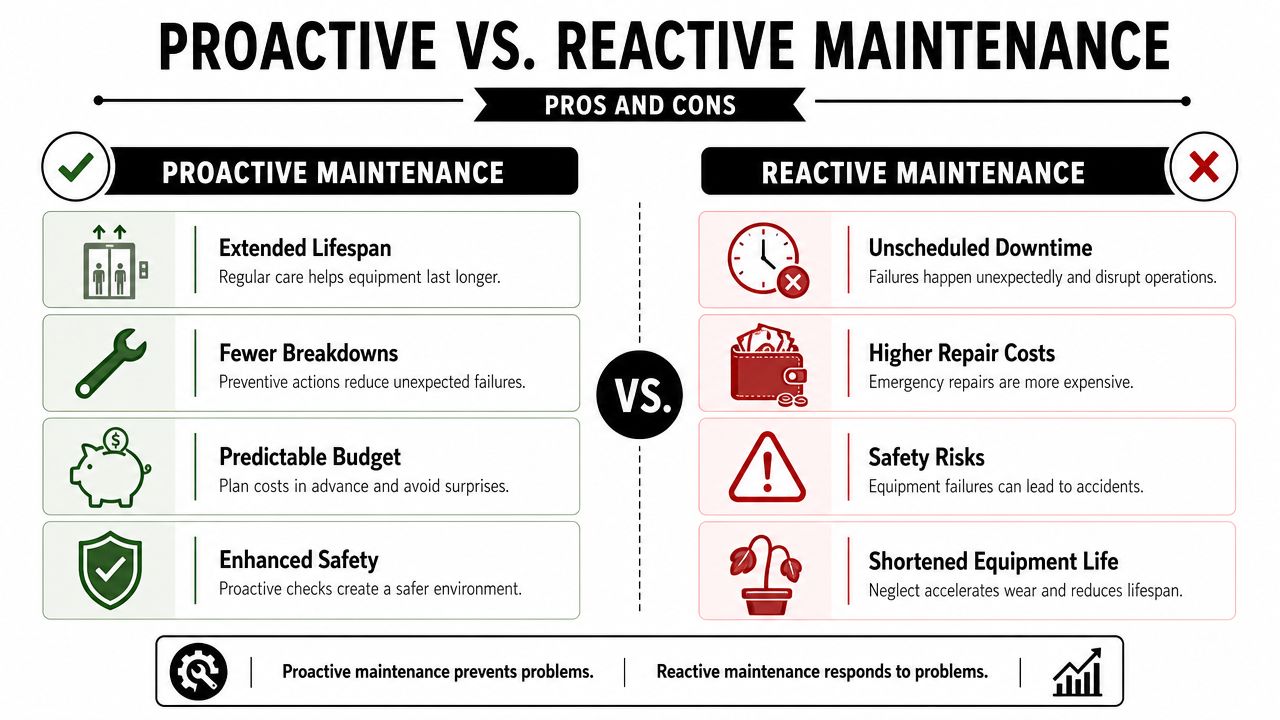
A proactive program reduces callbacks, extends component life, and gives you time to plan repairs before they become outages. A thin program does the opposite. It keeps the contract active while wear builds up in the background.
Cheap monthly service often creates expensive operating problems
On paper, low-fee maintenance can look responsible. In practice, it often means short visits, limited cleaning, minimal adjustment work, and a service model built around returning when the same problem comes back.
Older equipment suffers first. Door operators drift out of adjustment. Rollers wear. Oil residue collects dirt. Contacts degrade. Nothing looks catastrophic during one visit, but the car becomes less reliable one call at a time. For a property manager, that means more tenant complaints, more shutdowns, and more unplanned repair approvals.
Proactive maintenance costs more than complaint response. It usually costs less than repeated downtime.
What a real program should include
The contract should support equipment preservation, not just code minimum activity. Ask for specifics.
A sound maintenance program usually includes:
- Regular clean-downs: Machine rooms, pits, and car tops need cleaning because dirt and oil hide leaks, wear, and electrical issues.
- Door system work: A large share of service calls starts with doors, interlocks, operators, and related adjustments.
- Documented visit records: The building should be able to verify attendance, note conditions found, and see what work was performed.
- Minor corrective work during routine service: Tightening, aligning, lubricating, and adjusting early prevents larger failures later.
- Clear condition reporting: Good providers separate immediate repair needs from monitored wear and longer-range capital items.
This is also where the proprietary versus non-proprietary issue matters. If routine maintenance constantly funnels the owner toward locked software, brand-restricted parts, or full package replacements, the program is serving the service model more than the building. An independent contractor has more room to repair what can be repaired, replace only what is failing, and preserve owner choice later.
How to read the quote, not just the price
I look at maintenance proposals the same way I look at repair estimates. The monthly number matters, but the exclusions matter more.
Use a simple screen:
- Ask what gets cleaned and inspected on a standard visit. Vague answers usually mean a superficial route stop.
- Ask whether recurring faults trigger troubleshooting or just repeated resets. Those are very different labor models.
- Ask what small corrective tasks are included. If every adjustment becomes a separate billable item, expect more callbacks.
- Ask how the company documents recommendations. You need a record for budgeting, not verbal warnings that disappear with staff turnover.
- Ask whether the maintenance approach supports partial upgrades. A provider that can maintain existing equipment and recommend targeted elevator modernization services gives you more control over timing and cost.
Good maintenance gives the owner options before the elevator forces a decision.
That last point matters in Southern Michigan, where many properties are running older, mixed equipment. The best long-term value usually comes from a contractor who can keep those units reliable without pushing every account toward a proprietary conversion. Crane Elevator is one example of that approach. The practical advantage is straightforward. Lower lock-in, more repair flexibility, and better control of lifetime ownership cost.
Understanding Emergency Response and Modernization
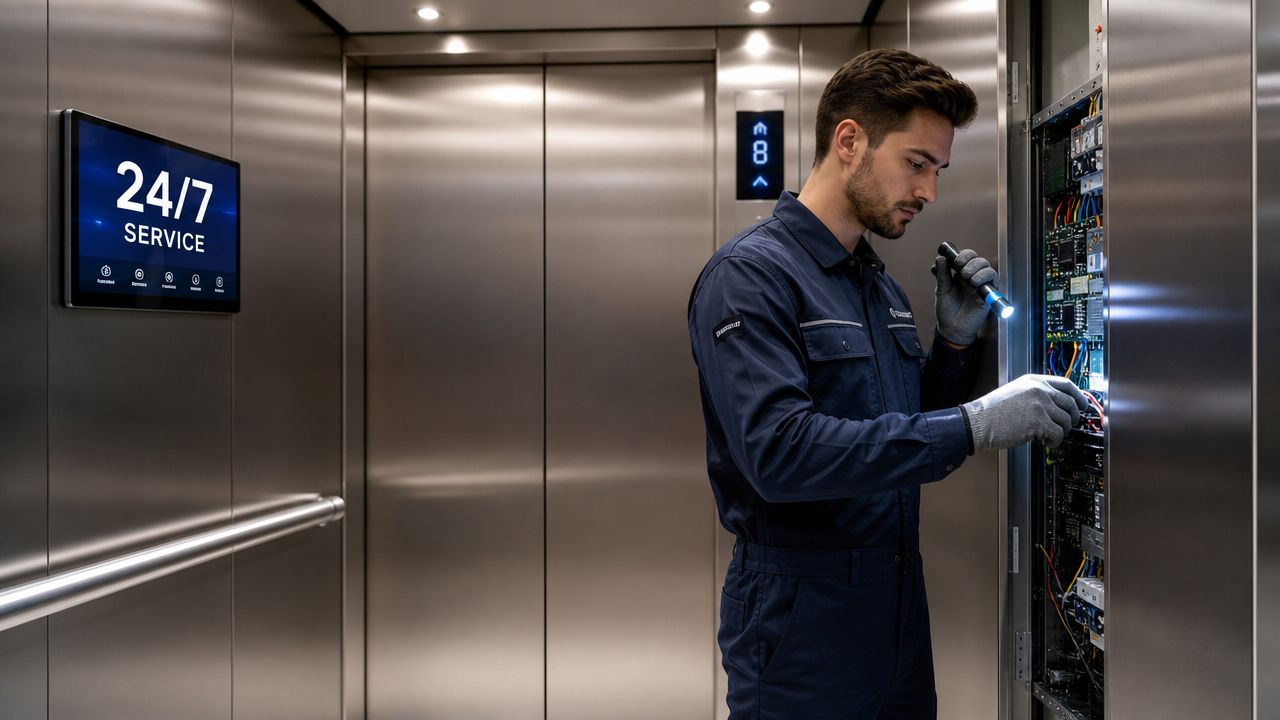
When a provider says “24/7 emergency service,” you should ask what that means at 2:00 a.m. on a weekend, not what it means on a brochure.
For a building manager, after-hours service only matters if the call gets triaged correctly, the technician can access the site, and the responding crew has the tools and parts knowledge to stabilize the problem. Otherwise, “24/7” just means someone answers the phone.
What counts as an emergency
Here, many service conversations go wrong. Search results often advertise round-the-clock availability but don't explain response-time expectations or what qualifies as an emergency. Bagby Elevator's local service page highlights that gap, and it's a serious one for buildings where downtime affects accessibility, operations, and liability.
A practical breakdown looks like this:
- Passenger entrapment: Immediate emergency dispatch
- Single elevator down in a one-elevator building: Often urgent because the building loses vertical access
- Door fault with the car safely parked out of service: Serious, but handled differently from entrapment
- Non-critical nuisance issue after hours: Usually logged for the next available service window unless safety is involved
You want a contractor that explains this clearly to your staff. The front desk, maintenance office, and property manager should all know what to report and how calls get escalated.
The best emergency strategy starts before the call
Emergency response improves when the provider already knows the equipment. A technician who maintains the unit regularly can often diagnose faster because they know the controller behavior, past trouble spots, and repair history.
That's also why repeated emergency calls often signal a modernization decision, not just a repair need. If the same door operator, relay logic, hydraulic component, or aging controller keeps failing, the building has moved past simple repair value.
Here's a useful overview of what targeted upgrades can involve:
When modernization is the cheaper move
Not every old elevator needs full replacement. Many need selective modernization that removes the recurring failure point and leaves the rest of the system in service.
That might mean replacing a worn door operator, updating safety-related door monitoring, changing out a power unit, or modernizing a controller that nobody wants to troubleshoot anymore. The right move depends on parts availability, code exposure, ride quality, and how often the same failure returns.
If the same component keeps causing shutdowns, you don't have a repair problem anymore. You have a capital planning problem.
If you're sorting through that decision, a contractor should be able to explain whether the better fix is immediate repair, deferred repair with monitoring, or a scoped upgrade. A detailed review of elevator modernization services can help frame those choices before you approve another temporary patch.
Case Study How Crane Elevator Reduces Lifetime Costs
A building manager calls after the third shutdown in two months. The elevator is back in service by the time I arrive, but the pattern is familiar. Doors are out of adjustment, small wear items were ignored, and the repair history shows the same short-term fixes approved over and over. That is how lifetime cost gets out of control.
The owner's real decision is not whether to approve one more repair. It is whether to keep funding a service model that locks the building into repeat callbacks, limited parts choices, and weak bidding power later.
A local example of the independent model
Southern Michigan buildings rarely have simple, single-generation equipment. A unit may have an original machine, a newer controller, aftermarket door equipment, and a fixture package changed by a prior contractor. In that situation, a proprietary service path can create unnecessary cost fast. The contractor has every reason to steer the building toward branded replacements that narrow future options.
An independent contractor approaches the account differently. The goal is to keep the unit safe, reliable, and serviceable by more than one company. That matters if you want competitive pricing, practical modernization planning, and the ability to change providers without replacing major components just to regain support.
How the method works in practice
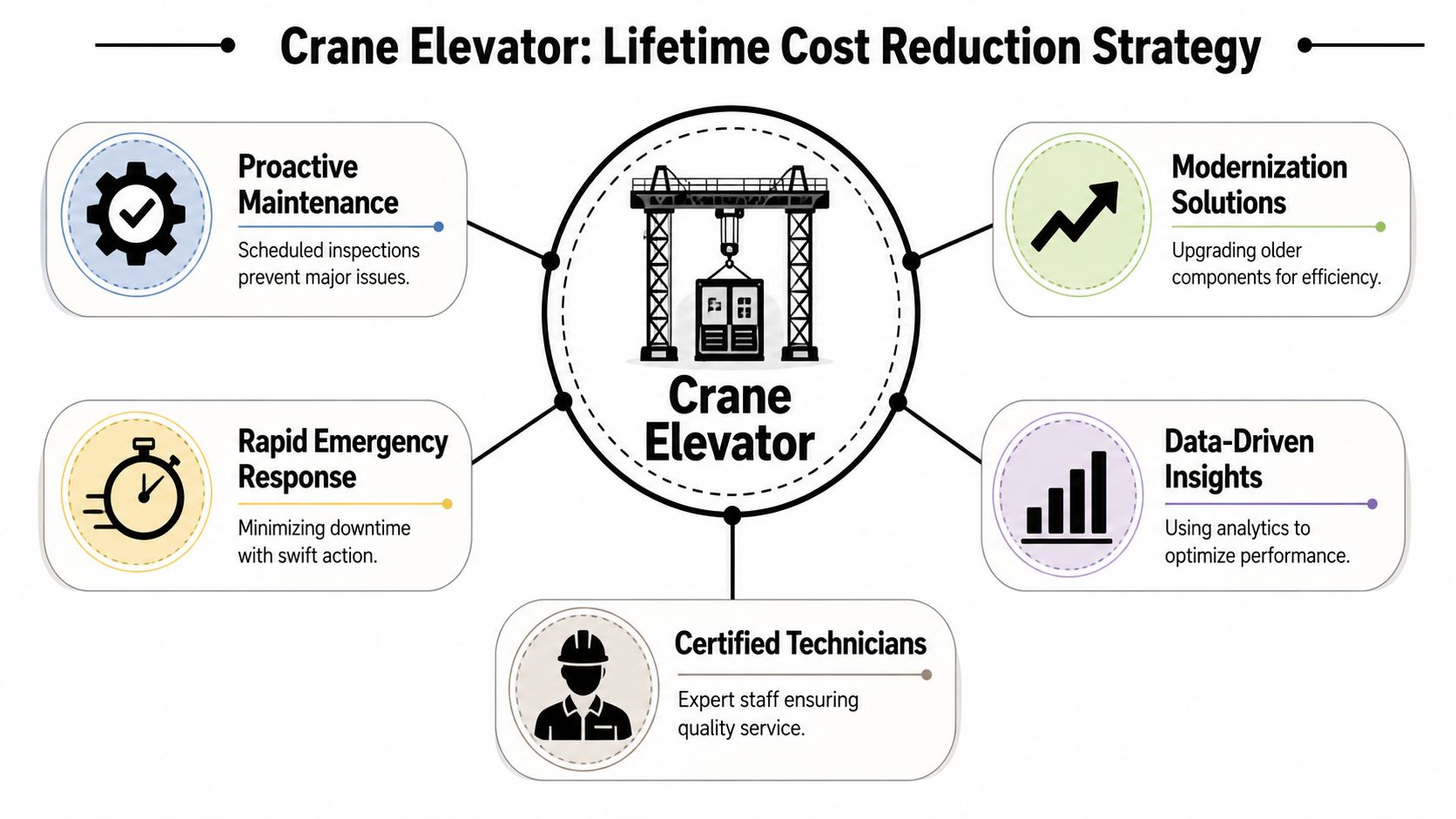
Take a common case. A mid-rise passenger elevator has chronic door faults, intermittent shutdowns, and a callback log full of resets, adjustments, and isolated part swaps. The wrong move is to keep treating each outage as a separate event. The other expensive move is approving a proprietary package that solves today's problem but limits who can work on the unit later.
A better process is more disciplined:
- Stabilize current operation: Correct the immediate safety and reliability issues first.
- Read the service history closely: Repeat calls usually point to one subsystem, not random bad luck.
- Scope the work around the failure point: Replace the parts or subsystem driving downtime, not every major component on the elevator.
- Favor non-proprietary equipment where it fits: Preserve open service access and future bidding competition.
- Tighten maintenance after repairs or upgrades: Without that follow-through, the same patterns return.
That is the value Crane Elevator Company brings in Lower Michigan. The company works across mixed equipment, focuses on non-proprietary service where practical, and handles the small field corrections that often separate a stable account from a chronic callback account.
Why the small items usually decide the long-term cost
Owners tend to notice the big invoices. The long-term cost usually starts with smaller misses. Loose door hardware, oil leaks, dirty pits, worn rollers, neglected car-top cleanup, and burned-out indicators all point to the same problem. The account is being maintained reactively instead of managed.
Those details affect shutdown frequency, parts wear, ride quality, and inspection readiness. They also tell you whether the mechanic is being given enough time to do real maintenance or only enough time to respond to complaints.
The cheapest year of elevator ownership is usually the year with the fewest service interruptions and the fewest forced decisions.
If you want a practical benchmark for how service approach changes total ownership cost, review Crane's explanation of elevator maintenance costs over time.
Your Next Steps to Reliable Elevator Service
A building manager usually calls for help after the third shutdown, the failed inspection, or the repair quote that suddenly turned into a replacement discussion. Start earlier than that. Before you ask any company for pricing, organize the facts on your equipment so you can compare proposals on scope, serviceability, and long-term cost.
Have this information ready before you call:
- Building type and use: Office, multifamily, healthcare, school, industrial, municipal, or residential
- Equipment type: Hydraulic, traction, freight, passenger, wheelchair lift, or dumbwaiter
- Current problems: Entrapments, door faults, leveling issues, code violations, nuisance shutdowns
- Service history: Current provider, repeat callbacks, open repair recommendations
- Inspection status: Any recent failures, violations, or test requirements
- Modernization history: What has already been replaced and what remains original
That short prep changes the conversation. A contractor who understands mixed equipment, older controls, and non-proprietary alternatives can usually tell you whether the problem is a maintenance gap, a parts issue, or a system that is being pushed toward an unnecessary proprietary path.
Use a short interview, not just a quote request
Ask operating questions that show how the company will handle your account after the contract is signed.
- What brands and system types do you routinely support?
- Do you offer non-proprietary modernization options?
- How do you handle after-hours emergency triage?
- What does a routine maintenance visit include?
- How do you document recommendations and recurring faults?
- Can you take over an existing unit without forcing a full replacement?
The answers matter. Some providers are set up to support a wide range of equipment and preserve future bidding options. Others are set up to move buildings into closed systems where parts, software access, and future service all stay tied to one manufacturer. That model can limit your choices and raise lifetime cost, especially on older Michigan properties with mixed equipment.
Know when a second opinion is worth it
Get a second opinion when the recommendations stop matching the symptoms.
- You keep hearing “parts are obsolete” with no practical alternatives
- The same issue keeps returning
- Your current provider recommends a major upgrade but won't explain serviceability afterward
- Your building has mixed brands and one contract no longer fits all of them
- The maintenance bill looks stable, but reliability keeps getting worse
A good second opinion does not just confirm or reject a repair quote. It tests whether the proposed fix preserves useful equipment life, keeps service access open, and solves the actual failure point.
For many Southern Michigan buildings, the right next step is not a full replacement. It is a controlled transition: stabilize the recurring faults, correct deferred maintenance, replace the components that are driving downtime, and avoid locking the property into a proprietary service model unless there is a clear technical reason to do it.
The practical test is simple. Choose the company that helps you keep control of the asset, documents what it finds, and gives you options that still make sense five years from now.
If you want a practical review of your current elevator service agreement, repair history, or modernization options, contact Crane Elevator Company. They serve Lower Michigan and offer no-obligation evaluations, free second opinions, and support for non-proprietary maintenance, repair, inspection, and modernization across mixed equipment.