The call usually comes after the same kind of week. A tenant has complained twice. Someone got stuck between floors. The elevator is running, but it isn’t running right. Then the service invoice shows up, and it still doesn’t tell you why the problem keeps coming back.
For Service or Questions Call
734-726-4247
Or
Complete Form Below
That’s the reality for a lot of building managers searching for elevator services wixom michigan. The immediate issue is downtime, but the larger problem is lack of control. You need a contractor who can keep equipment safe and available, explain what failed in plain language, and help you avoid getting trapped in a service relationship that gets more expensive every year.
Your Partner for Reliable Elevators in Wixom
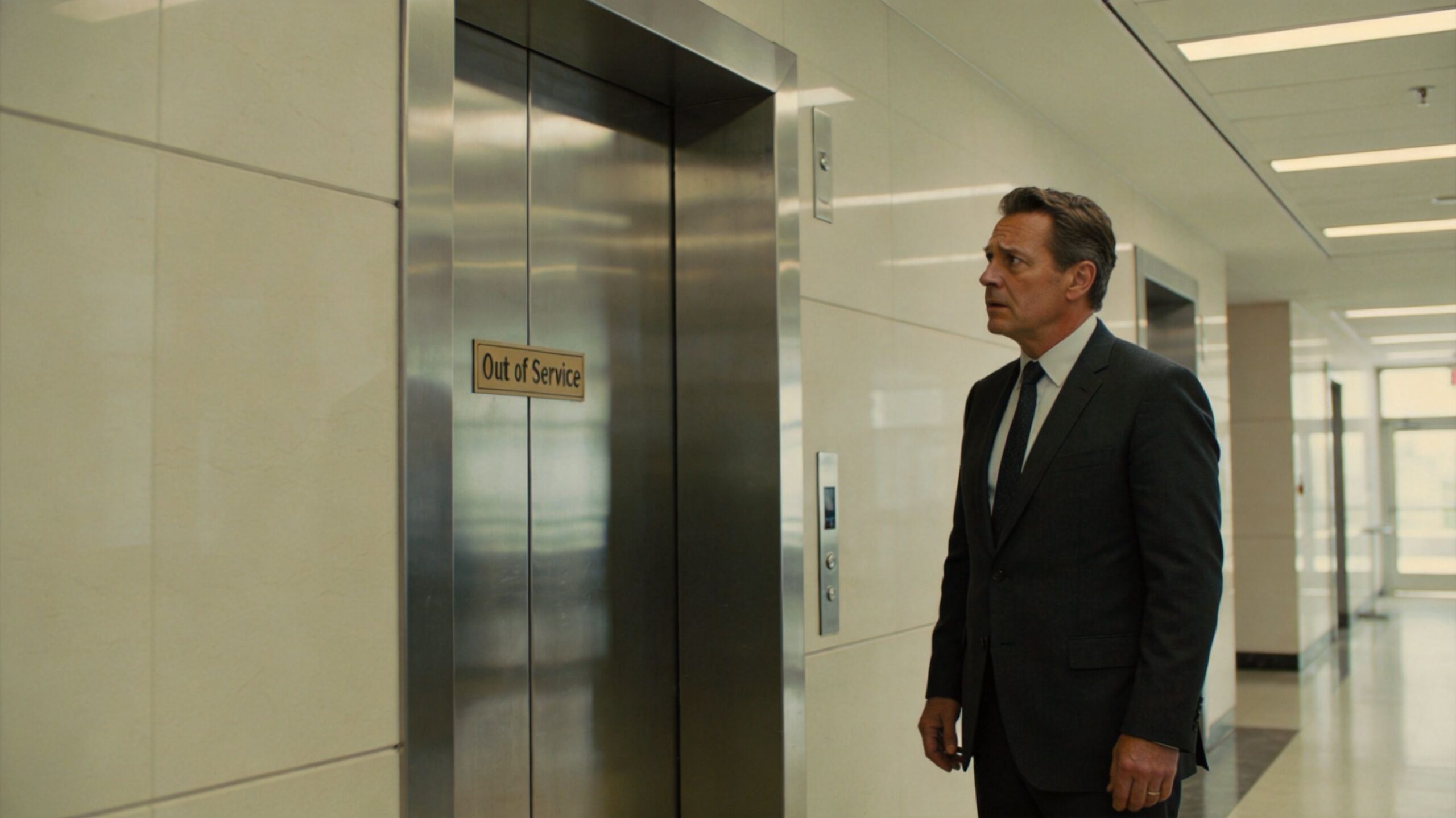
A building manager in Wixom rarely calls about an elevator because everything is going smoothly. The call comes when the car is misleveling, doors are hanging up, a freight unit is slowing down production, or residents are asking why the same issue keeps returning after every repair visit.
In southern Michigan, that pressure is growing along with the market. The Michigan Elevator Installation & Service industry supports 1,002 businesses as of 2026 and grew at an average annual rate of 2.1% from 2021 to 2026, according to IBISWorld’s Michigan elevator industry report. In practical terms, that means more buildings competing for capable field labor, more aging equipment staying in service longer, and more owners trying to separate real preventive work from invoice-padding.
What reliable service actually looks like
Reliable elevator service isn’t just a fast answer on the phone. It shows up in the details:
- The machine room gets inspected, not glanced at. Good techs don’t stop at resetting a fault and leaving.
- Recurring shutdowns get traced to root causes. Door equipment, relays, contacts, packing, wiring, and controller behavior all need to be evaluated together.
- The contract stays readable. If a manager can’t tell what’s covered, they’re usually paying for ambiguity.
For most commercial and residential properties in Wixom, the best maintenance relationship is the one that reduces surprises. That means regular service visits, plainspoken recommendations, and repair decisions based on risk, uptime, and total ownership cost instead of whatever part happens to be easiest to sell.
Practical rule: If your elevator contractor can explain every failure but never show a plan for reducing repeat calls, you’re buying reaction, not maintenance.
Why local context matters
Wixom sits in a corridor where office, industrial, mixed-use, and residential properties all depend on vertical transportation in different ways. A low-rise hydraulic passenger unit has different pain points than a material lift in a warehouse or an older traction system in a commercial building. The contractor you hire has to understand that difference before they touch the equipment.
If your property needs regular service, code support, or a second opinion on a difficult unit, it helps to compare providers who already work in the region and understand Metro Detroit elevator maintenance.
Comprehensive Elevator Services for Wixom Buildings
Most owners don’t need a menu of services. They need the right intervention at the right time. Sometimes that means a maintenance program that catches wear before it turns into shutdowns. Sometimes it means an urgent repair. Sometimes it means admitting that an older system has crossed the line where repeated patchwork no longer makes financial sense.
Preventive maintenance that prevents expensive calls
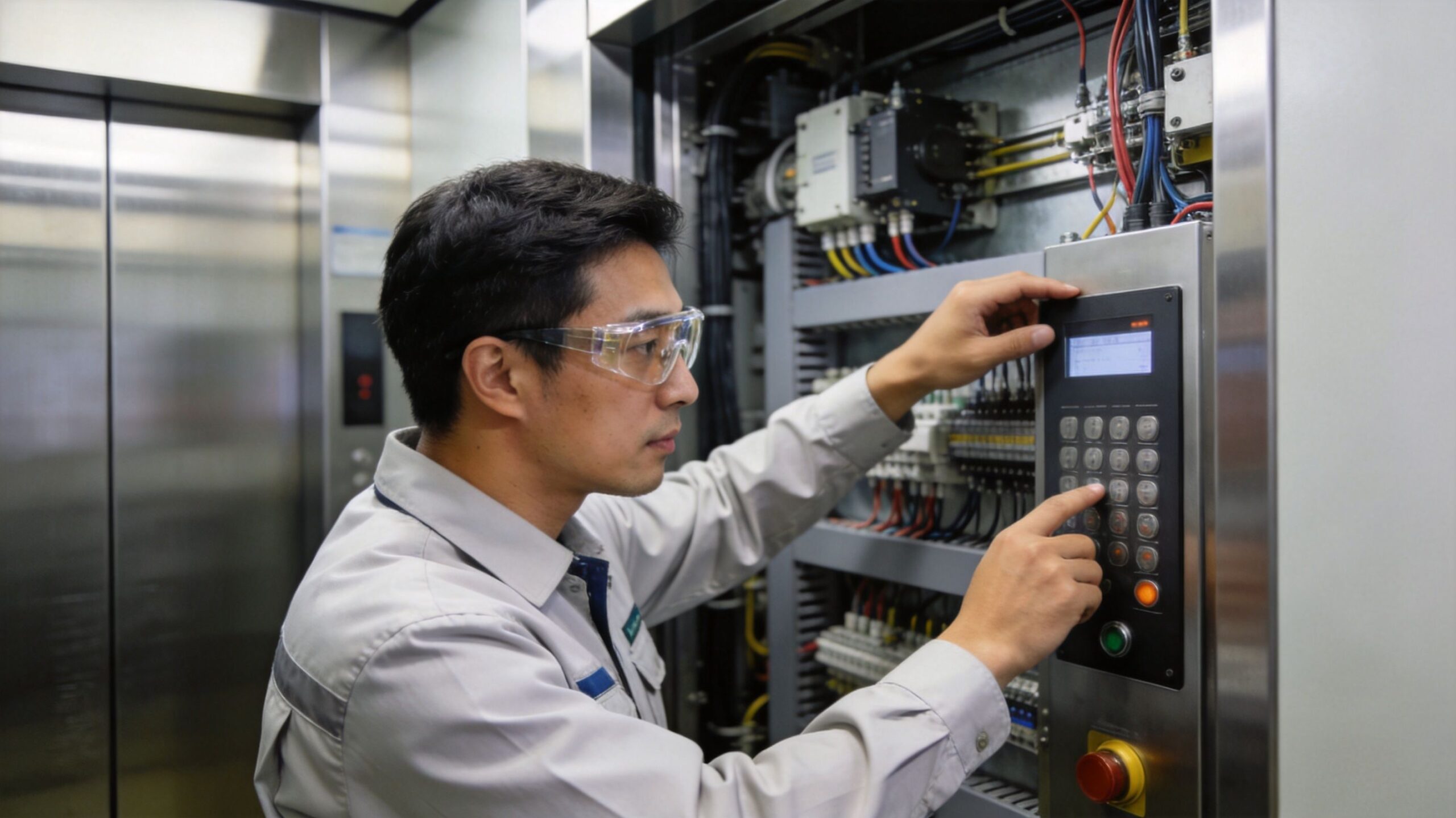
Preventive maintenance works when the technician is doing more than a basic ride check. On a real service visit, critical wear points are examined, adjustments are made, debris is removed, and small defects are documented before they become tenant-facing failures.
A useful maintenance program usually includes attention to items such as:
- Door equipment: Door operators, tracks, rollers, interlocks, and reopening devices often drive nuisance callbacks.
- Hydraulic components: Packing condition, leaks, tank condition, and power unit performance affect reliability on low-rise systems.
- Electrical controls: Relays, wiring terminations, selectors, indicators, and controller cleanliness all matter on older equipment.
- Safety items: Emergency phones, lighting, pit condition, car top condition, and machine room housekeeping can’t be treated as afterthoughts.
The best outcome of maintenance is boring operation. Tenants stop noticing the elevator because it starts, runs, levels, and opens the doors the way it should.
Repairs that solve the failure, not just the symptom
Emergency repairs matter, but the quality of the diagnosis matters more. A temporary reset can get a car moving, but it doesn’t help if the same fault returns next week. Good repair work identifies whether the problem is mechanical wear, contamination, heat, electrical drift, hydraulic loss, or a control issue.
One of the biggest differences between mediocre and capable elevator services wixom michigan providers is whether they tell you when a repair is worth doing and when it’s just buying time. Owners deserve that honesty.
A good repair recommendation answers three questions at once: what failed, why it failed, and whether fixing it is smarter than modernizing it.
Inspections and testing that protect the building
Michigan elevator work involves strict safety obligations. According to ESI’s overview of elevator inspections and standards, inspections cover safety circuits, door operators, and governors to comply with ASME A17.1 standards, and professionally inspected systems experience 40% fewer violations. For a building manager, that matters because fewer violations usually means less disruption, lower exposure, and a clearer record of diligence.
That inspection process becomes especially important on hydraulic elevators common in low-rise properties. When jack packing degrades, leaks can develop, pressure drops follow, and the elevator can start tripping safeties or going out of service. Catching that during inspection is far less painful than discovering it during a shutdown.
Modernization when maintenance alone isn’t enough
Not every struggling elevator needs a full replacement. Many need selective modernization. That could mean replacing door operators, power units, motors, sheaves, wiring, controllers, fixtures, or aging safety devices that no longer support reliable operation.
For property managers evaluating options across passenger units, freight cars, wheelchair lifts, dumbwaiters, or specialty systems, it helps to understand the different types of lift systems before committing to a long-term plan.
Here’s a simple way to think about service categories and outcomes:
| Service Category | Primary Benefit for Building Owners |
|---|---|
| Preventive maintenance | Reduces repeat breakdowns and extends usable equipment life |
| Repair service | Restores operation after faults, shutdowns, or component failure |
| Code-required inspections and testing | Supports compliance, safety, and documentation for ownership |
| Non-proprietary modernization | Improves reliability while preserving vendor flexibility |
What works and what does not
What works is a maintenance and repair strategy tied to the actual condition of the unit. What doesn’t work is treating every callback as an isolated incident. If the same car keeps getting door faults, leveling complaints, or intermittent shutdowns, the pattern is the diagnosis.
Managers get the best results when they ask for a service record review, not just a proposal. That shows whether the elevator needs fine-tuning, component replacement, or a broader modernization plan.
The Crane Elevator Difference Our Guarantees
Many elevator contracts look affordable at the beginning and restrictive later. The problem usually starts with proprietary equipment. Once a building is tied to a closed system, parts access, software access, and technical support often narrow to a single lane. That limits your options every time you need service, repair, or modernization.
Why non-proprietary matters
The simplest analogy is a phone. A phone without carrier restrictions provides the freedom to select a carrier. A locked phone doesn’t. Elevators work the same way. A non-proprietary system can be serviced by any qualified provider with the right expertise. A proprietary system often pushes you back to the original vendor whether you like the price, the response, or the relationship.
That freedom affects more than convenience. It affects the building’s negotiating position over the life of the equipment.
According to the market gap noted in McNally-related industry context on proprietary elevator lock-in, building owners can face lifetime costs that are 30 to 40% higher when trapped in proprietary service arrangements. That’s the cost transparency issue many local providers still don’t discuss plainly enough.
Guarantees that shift risk back where it belongs
A service company’s guarantees tell you how much confidence it has in its own operations. The strongest guarantees are the ones that remove common owner frustrations.
Three stand out:
- No Show, No Pay: If a contractor schedules service and fails to appear, the owner shouldn’t be the one absorbing the inconvenience.
- Price-beat positioning: Competitive quoting matters because service agreements tend to renew without scrutiny unless someone challenges them.
- Free second opinions: These are valuable when an owner suspects a repair quote is really a disguised sales push toward unnecessary replacement.
Owner mindset: Don’t just compare monthly maintenance pricing. Compare how much control you keep if the relationship stops working.
What this changes for a building manager
Non-proprietary planning gives owners room to make better capital decisions. If a controller, power unit, machine, motor, or fixture package needs updating, the work can be structured around reliability and budget instead of a closed ecosystem.
That flexibility is especially important for portfolios. If you manage multiple properties, you don’t want each building locked into a different vendor-specific standard that complicates budgeting, service coverage, and long-term planning. You want consistency where possible, options where needed, and a modernization path that doesn’t handcuff the next manager after you.
If you’re weighing vendor lock-in against long-term freedom, it’s worth reviewing how non-proprietary elevators change maintenance, bidding, and modernization choices over the life of the system.
What to Expect When You Work With Us
The service experience should feel organized from the first conversation. Owners and facility teams already have enough moving parts to manage. Elevator work shouldn’t add confusion.
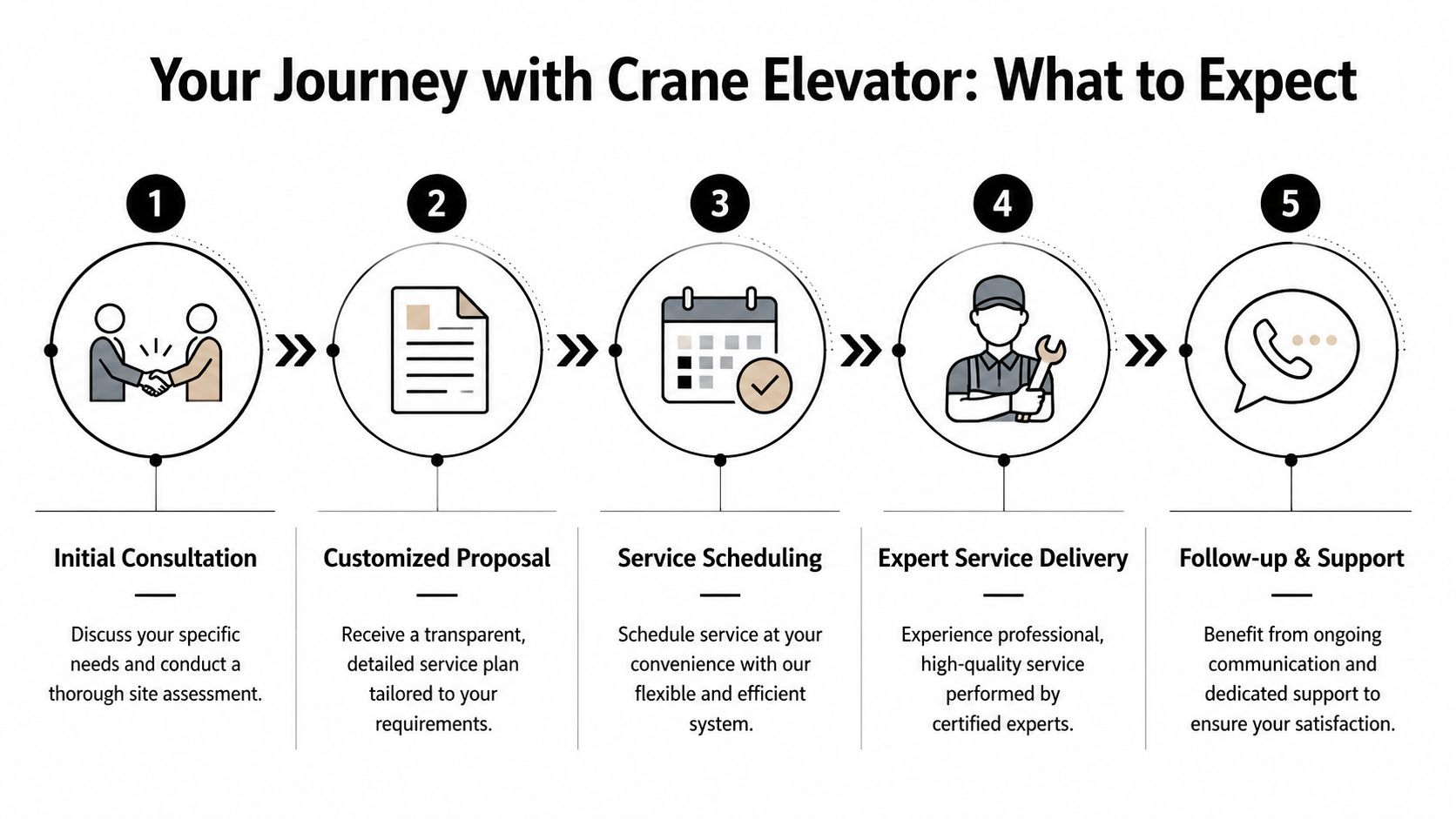
Step one starts with the equipment, not the sales pitch
A useful first conversation covers the basics quickly. What type of equipment is in the building. What problems are recurring. Whether the issue is uptime, compliance, modernization planning, or a dispute over an existing proposal.
From there, the site review should focus on condition and history. A serious contractor wants to know what has been failing, what parts are obsolete, whether the unit has an inspection history problem, and whether the current maintenance level matches the building’s actual use.
The proposal should answer practical questions
A good proposal isn’t vague. It should tell you what work is recommended, what problem that work addresses, what is included, and what is not included. If financing is available for larger modernization work, that should be discussed clearly rather than introduced late.
Here’s what owners should expect in a strong service process:
- Initial consultation: Review the equipment, the complaint history, and the operating demands of the building.
- Site assessment: Inspect the car, controller, machine room, pit, doors, and safety-related items.
- Written recommendation: Separate immediate repairs from deferred items and longer-range modernization options.
- Scheduling: Coordinate the work around tenant traffic, freight use, or facility operations.
- Follow-up support: Confirm the unit is operating correctly and keep communication open if conditions change.
The clearest proposals separate “must do now” work from “should plan for next” work. Owners make better decisions when those two categories aren’t blurred together.
Communication should stay consistent after the first job
A lot of frustration in this industry has nothing to do with mechanical complexity. It comes from poor communication. Managers get tired of chasing updates, waiting on unclear parts status, or hearing a different explanation from each person involved.
That’s why the process matters. When a contractor documents findings, explains trade-offs, and follows through after the visit, the owner can manage the property instead of managing the contractor.
For ongoing maintenance, that same clarity should continue. Service records should build a pattern you can use. If the elevator’s condition is improving, you should be able to see it in fewer repeat problems. If it isn’t, you should hear that plainly.
Real-World Results in Southern Michigan
The most useful proof isn’t a polished slogan. It’s how a contractor handles the kinds of situations building managers deal with every month. In southern Michigan, that usually means balancing service continuity, budget pressure, and the reality of older equipment still expected to perform every day.
A low-rise office building with repeat door faults
One common scenario is a passenger elevator that keeps going out of service because of door-related shutdowns. The building may have already paid for several callback visits, but the pattern remains. The issue usually isn’t “bad luck.” It’s worn mechanical components, poor adjustment, contamination, or a control issue that no one has fully traced.
In the best outcome, the service team reviews the callback history, inspects the full door system, and separates the immediate fault from the underlying wear. That lets the owner choose between a focused repair and a broader upgrade to improve long-term reliability.
An industrial site that can’t afford a stuck freight unit
At an industrial or warehouse property near Wixom, a freight elevator or material lift failure can disrupt receiving, movement between levels, or production flow. In those settings, speed matters, but so does judgment. The wrong quick fix can create another shutdown during the next shift.
The better approach is triage first, then stability. Restore safe operation if possible, identify any conditions that make continued use risky, and map the repair or modernization work needed to avoid repeated interruptions.
In industrial service, “running again” isn’t the same as “resolved.” A unit that returns to service without a reliability plan usually comes back as an emergency.
A residential or mixed-use property facing an expensive proposal
Another frequent situation involves an owner or HOA receiving a large recommendation from the incumbent service company. Sometimes the work is necessary. Sometimes the scope is inflated, or the owner is being nudged toward a proprietary path that reduces future choice.
That’s where a second opinion becomes valuable. A careful review can separate true safety issues from optional upgrades, identify components that can be modernized without full system replacement, and keep the owner from making a rushed capital decision under pressure.
What these situations have in common
Different properties. Different equipment. Same core questions.
- Is the elevator safe to keep operating?
- Is this repair a durable fix or a temporary patch?
- Will this recommendation improve long-term ownership cost or just defer the next problem?
The strongest elevator services wixom michigan providers answer those questions directly. They don’t hide behind jargon, and they don’t use urgency as a substitute for explanation.
Frequently Asked Questions and Your Next Step
Do you service only passenger elevators
No. A capable contractor should be able to work across passenger elevators, freight elevators, residential elevators, wheelchair lifts, material lifts, and dumbwaiters, provided the equipment and application fit their scope and qualifications.
Is non-proprietary equipment always the better choice
For many owners, yes, because it preserves vendor flexibility and improves your ability to compare pricing and service quality over time. There are situations where legacy systems or site-specific conditions shape the decision, but long-term freedom is usually a major advantage.
When should I repair versus modernize
Repair makes sense when the underlying system is still supportable and the failure is isolated. Modernization makes more sense when you’re seeing repeat callbacks, obsolete parts, poor ride quality, or escalating service costs that no longer match the value of patchwork repairs.
How should I compare elevator service proposals
Look past the monthly price. Compare scope, exclusions, response expectations, how parts are handled, whether the equipment is proprietary, and whether the contractor clearly distinguishes immediate needs from future planning items.
What’s the best next step if I’m unsure
Start with an assessment and, if needed, a second opinion. That gives you a clearer view of equipment condition, compliance needs, recurring failure points, and whether your current contract supports or undermines your long-term ownership goals.
If you’re dealing with recurring downtime, unclear invoices, or a modernization decision you don’t want to get wrong, talk with Crane Elevator Company. They serve Lower Michigan with family-owned experience, 24/7/365 field support, free second opinions, competitive quotes, non-proprietary modernization expertise, and maintenance programs built to reduce lifetime cost instead of locking owners into it.