If you're planning a new elevator or replacing an aging one, you're probably hearing the same pitch from multiple directions. Save space. Lower energy use. Cleaner design. Faster install. All of that can be true with machine roomless elevators. But the detail that usually decides whether the job ages well is not the hoistway layout. It's the control package, who can service it, and what that means for your costs over the next many years.
That matters even more in Michigan buildings where owners tend to keep equipment for the long haul. A system that looks efficient on bid day can become expensive if every callback, software change, or replacement board has to go through one manufacturer channel. With MRLs, that serviceability question deserves as much attention as the elevator itself.
What Are Machine Roomless Elevators
A common owner scenario goes like this. The architect wants back usable square footage. The budget is tight. The elevator still has to be serviceable ten or twenty years from now. That is where a machine roomless elevator, usually called an MRL, starts to make sense, but only if the system is built around parts and controls you can support over time.
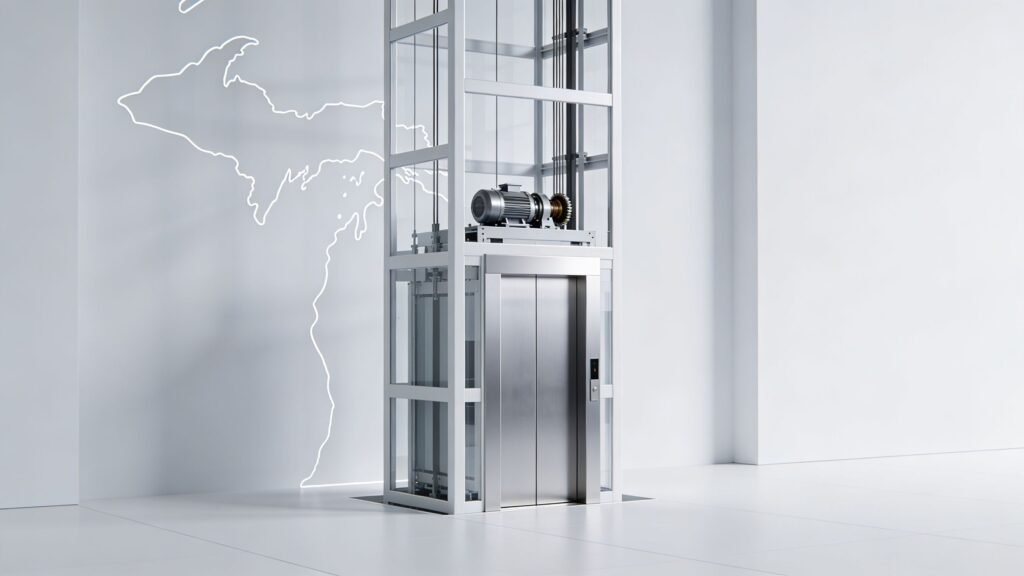
An MRL elevator places the drive machine and related equipment in the hoistway instead of a separate machine room. You still get a traction elevator. The difference is where the equipment lives and how the system is arranged. If you're comparing layouts and applications, this overview of different lift types is a useful starting point.
How the equipment fits into the shaft
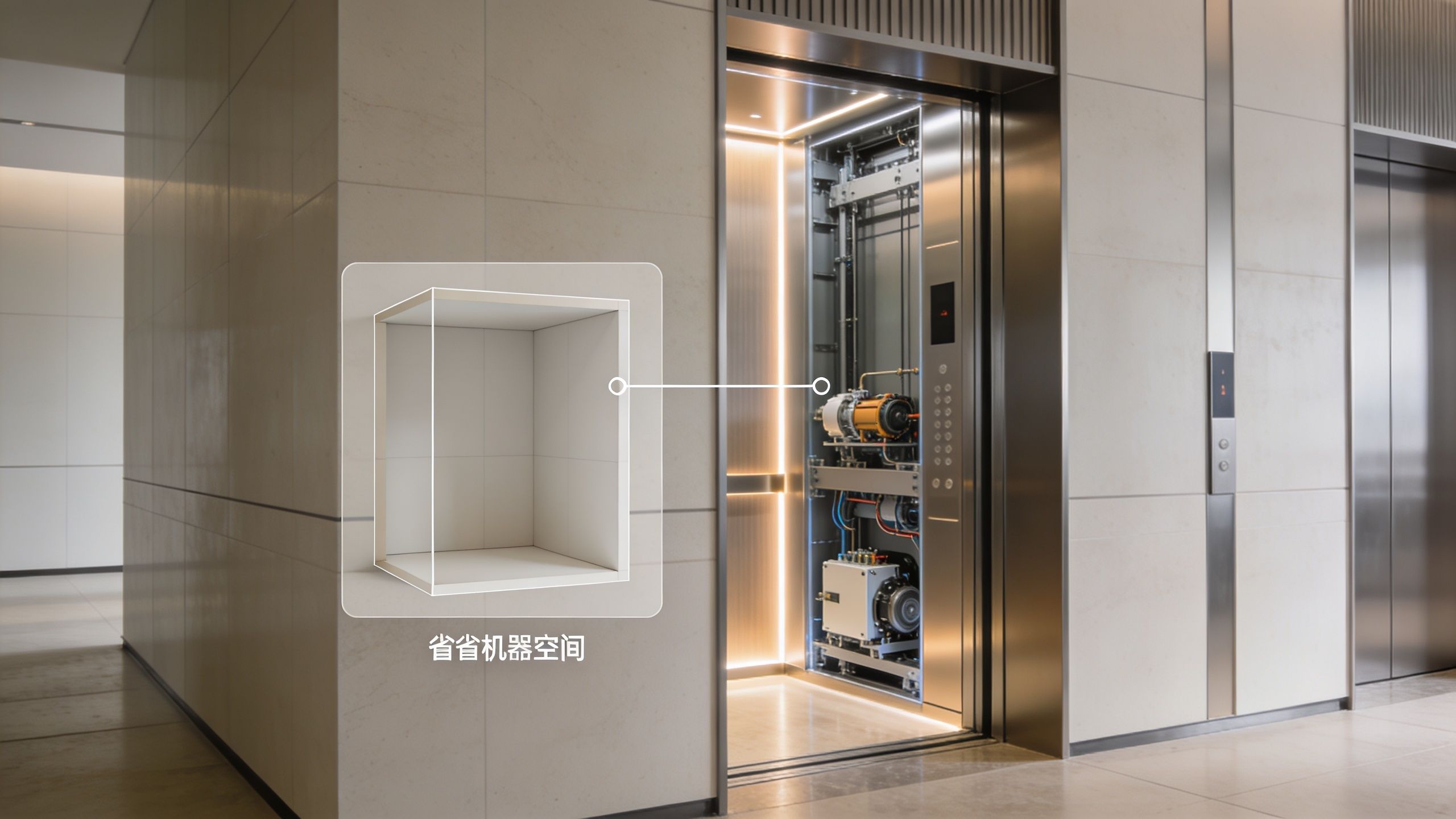
In a typical MRL setup, the hoisting machine is mounted in the hoistway, often at the top of the shaft, with the controller and access arranged to meet code without a full machine room. The machine is usually a gearless permanent magnet or synchronous traction motor sized for a compact installation.
The drive matters too. Most MRLs use VVVF control, variable voltage variable frequency, to manage acceleration, speed, leveling, and stopping. According to the Inclinator LX gearless motor traction MRL specification, that combination can deliver 30% to 80% energy savings and reduce installation time by 20% to 30% in the right application because there are fewer major components to set and connect.
Space savings get the attention first. Service access should get just as much attention.
Why owners care about the design
The obvious benefit is building layout. Removing the machine room can free up usable area, simplify roof design, and help on projects where every square foot has a cost attached to it.
The less obvious issue is long-term ownership. Two MRL systems can look similar on a drawing and lead to very different service costs after turnover. If the controls, diagnostic tools, and replacement boards are proprietary, the owner can end up tied to one service channel for years. If the MRL uses non-proprietary controls and standard components, bidding service stays competitive and parts access is usually better.
That difference shows up in real money over the life of the elevator.
A few practical reasons owners choose MRLs:
- Recovered building space: No separate machine room is required for the hoisting equipment.
- Cleaner traction design: Gearless traction avoids the hydraulic fluid used in a hydraulic elevator system.
- Fewer major components to install: That can simplify the construction process on the right job.
- Good fit for many low- and mid-rise buildings: Common applications include apartments, offices, schools, medical buildings, and mixed-use properties.
- Potential for better long-term serviceability: This depends heavily on whether the control package is open or proprietary.
Practical rule: An MRL pays off best when the saved space, energy profile, and service strategy all work in the owner's favor. If service access is restricted, the layout advantage can be offset by higher maintenance costs later.
Mature technology with a long operating history
MRLs are established equipment, not an experimental format. They were incorporated into the model safety codes in ASME A17.1S-2005, and market adoption grew from 14% of the elevator market in 2005 to over 51% by 2014, as noted in an earlier industry reference.
For owners, the takeaway is simple. The question is usually not whether MRL technology is proven. The question is whether the specific MRL being proposed will still be economical to service, troubleshoot, and modernize years after the install.
MRL Elevators vs Traditional Machine Room Systems
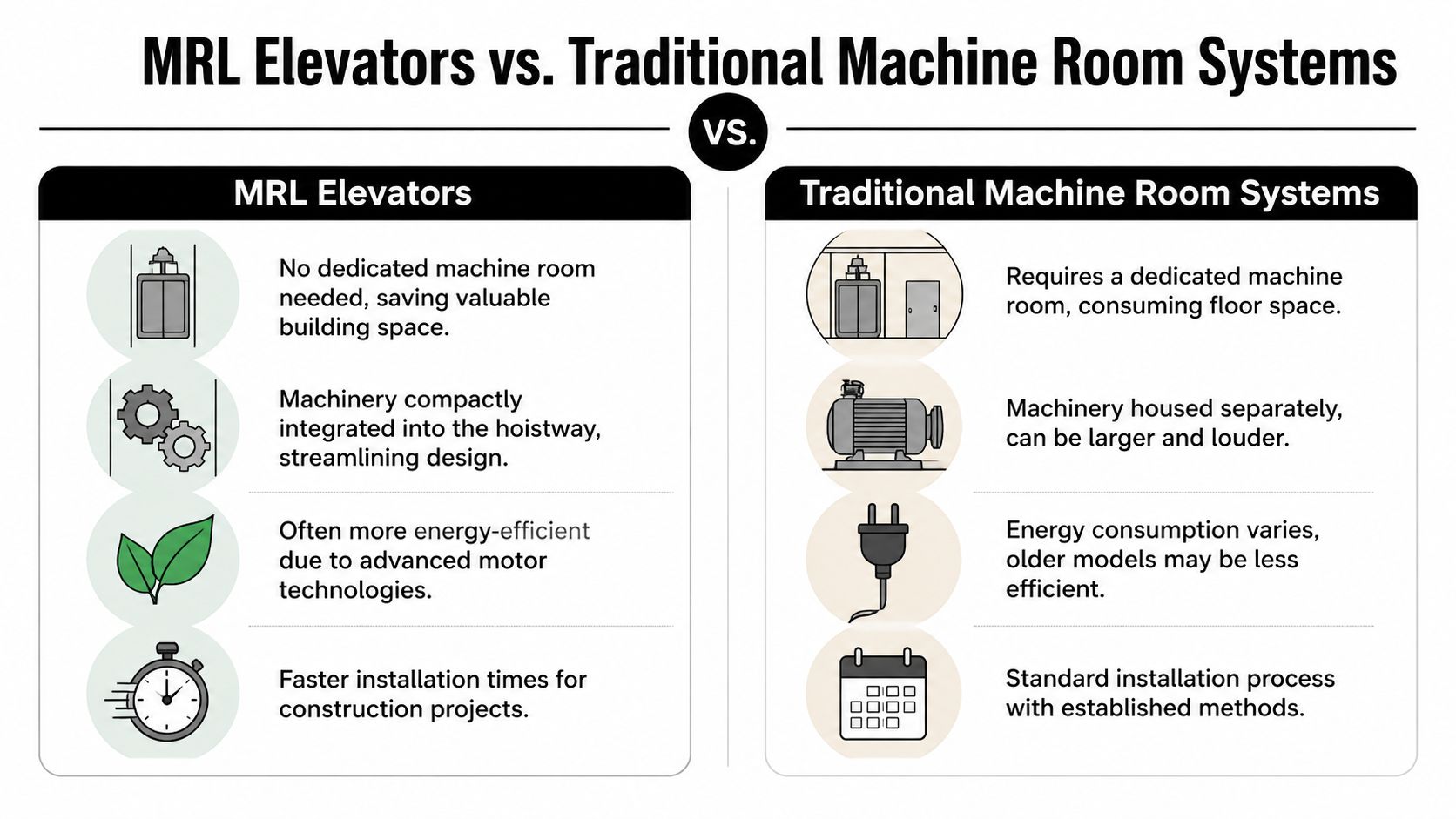
Owners usually compare MRLs against two familiar paths. One is a traditional traction elevator with a machine room. The other is a hydraulic system where the power unit and controls live in a separate room. The right choice depends on the building, but the trade-offs are pretty clear once you put them side by side.
Where MRLs usually win
The biggest architectural advantage is obvious. You don't need a dedicated machine room, so the building team has more flexibility with rooflines, top-floor use, and overall layout.
MRLs also tend to perform well on efficiency and ride quality. According to TK Elevator's overview of machine-room-less elevators, permanent magnet gearless motors can achieve up to 80% energy reduction compared to older systems. The same source states these systems can reduce vibration by 40% for quieter rides at less than 55 dB, and can cut maintenance calls by up to 50% versus traditional room-based elevators because there are fewer moving parts.
For an owner, that translates into a modern ride, less wasted space, and lower operating demand when the building is a good fit.
Where traditional systems still have an advantage
Traditional machine room systems still make sense in some projects because access is straightforward. Technicians can work on machinery in a dedicated room instead of in the hoistway. That matters during diagnostics, part replacement, and some modernization work.
Hydraulic systems also remain part of the conversation for certain low-rise buildings, especially when the owner prioritizes a familiar configuration and understands the trade-offs. Traditional traction systems can still be the better answer when the application calls for easier equipment access over the life of the unit.
Better service access isn't a small issue. It affects downtime, labor hours, and whether future repairs stay routine or become specialty work.
MRL vs Traditional Elevator Comparison
| Feature | Machine Roomless (MRL) Elevator | Traditional Elevator (Traction/Hydraulic) |
|---|---|---|
| Machine room | No separate machine room | Requires a separate machine room |
| Building space use | Frees up usable building area | Uses floor or rooftop space for equipment |
| Energy profile | Often more efficient with gearless traction and modern drives | Varies by system type and age |
| Ride quality | Quiet, smooth operation in the right application | Can also perform well, but older systems may be louder or rougher |
| Installation | Streamlined because equipment count is lower | More conventional install path |
| Service access | Can be tighter because equipment is in the hoistway | Easier access in a dedicated room |
| Best fit | Many low- to mid-rise projects where space matters | Projects where access, familiarity, or existing conditions favor machine-room layouts |
The real selection question
Don't choose between MRL and traditional systems by brochure language alone. Start with these questions:
- How valuable is the saved space: In some buildings, reclaiming that area has real design and leasing value.
- How important is service access: If your property needs simple long-term maintenance, accessibility matters.
- Are you modernizing or building new: Existing conditions often push the decision.
- Will you own this asset long term: Long-term owners should think harder about service freedom than first cost.
A machine roomless elevator can be the smarter system. It just isn't automatically the smarter ownership decision unless the maintenance side is handled properly.
The Freedom of Non-Proprietary MRL Controls
Most manufacturer material focuses on the elevator car, the machine, and the space savings. Owners should spend just as much time on the controls. That's where many long-term cost problems start.
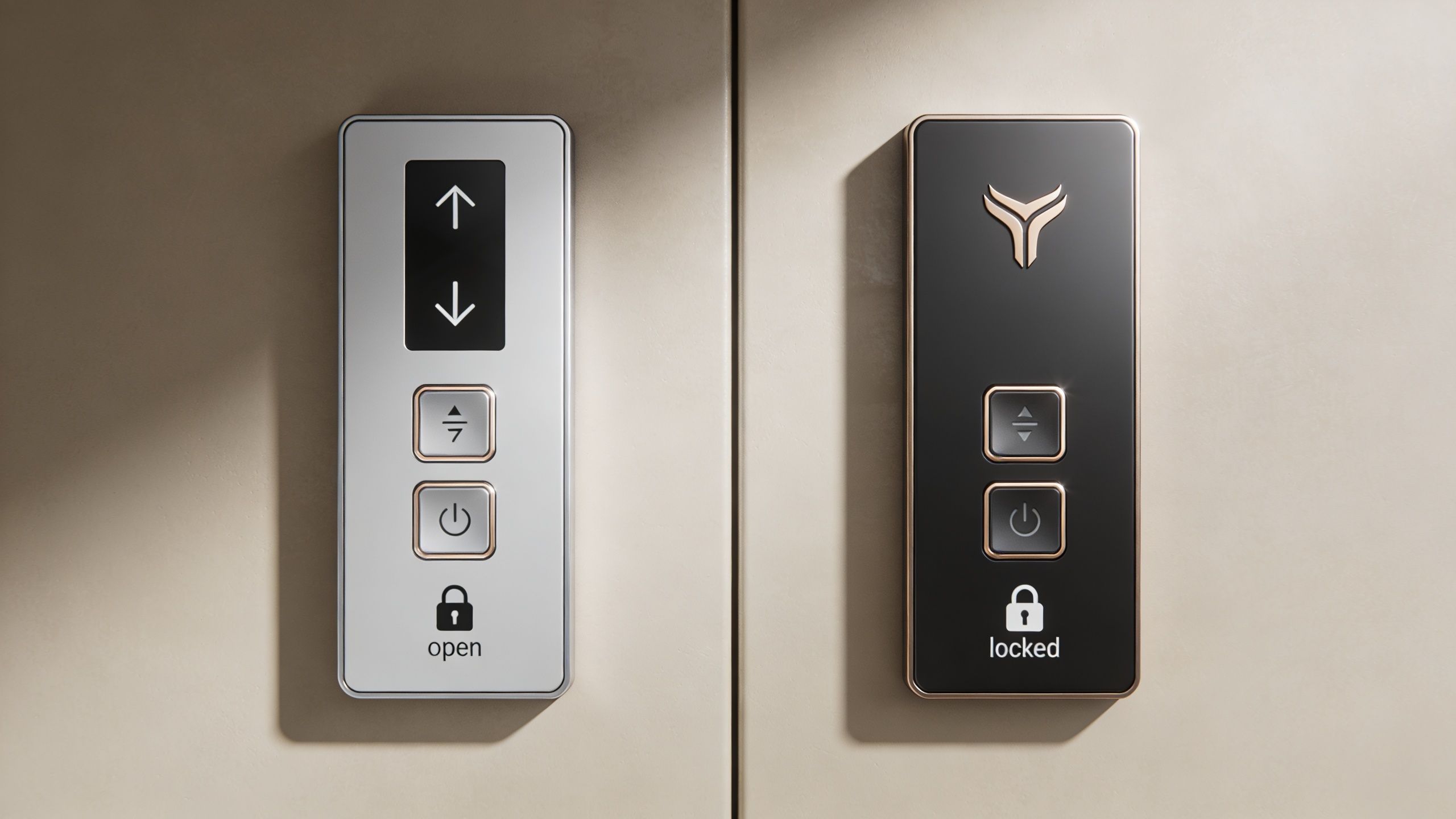
An MRL can be a solid system mechanically and still become frustrating to own if the controls are locked down. When the software, boards, tools, and diagnostic access are proprietary, the building often ends up tied to one service path. That's vendor lock-in, and it becomes expensive over time.
Why control choice matters more in MRL systems
MRLs place major components in tighter spaces than traditional machine-room systems. That alone can make service work more demanding. As noted in KONE's discussion of MRL design benefits and trade-offs, MRL layouts can complicate technician access compared to machine rooms, and that often leads to dependency on proprietary technicians, which can inflate costs over the elevator's lifespan.
That issue isn't theoretical. If the owner also accepts a closed controller ecosystem, every future service event gets narrower. Fewer companies can diagnose it, fewer can adjust it, and fewer can competitively bid the work.
If you're evaluating options, this overview of non-proprietary elevators is worth reviewing because it gets to the ownership side of the decision.
What non-proprietary controls change
A non-proprietary MRL gives the owner more freedom after installation. The elevator still needs qualified service, but it doesn't trap the building into one manufacturer pipeline for routine support.
Two control platforms owners should know by name are Smartrise and Elevator Controls Pixel. Both come up in conversations about open, serviceable control strategies because they fit a practical goal. Keep the system modern, but avoid building a wall around future maintenance.
That matters in several ways:
- Competitive service bidding: More qualified independent providers can work on the unit.
- Parts and diagnostics access: The building isn't as exposed to one closed tool chain.
- Modernization flexibility: Future upgrades don't always require a full rip-and-replace mindset.
- Lower ownership friction: Day-to-day service decisions stay in the owner's hands more than in the manufacturer's hands.
Owner advice: Ask who can legally and practically service the controller five years from now, not just who installs it today.
What works and what doesn't
What works is an MRL built around accessible documentation, open service philosophy, and controls that qualified independents know how to support.
What doesn't work is choosing an MRL only by initial presentation. A polished cab, a compact machine, and a clean submittal package don't tell you what happens when a board fails, a software change is needed, or service response becomes an issue.
Ask direct questions before you sign:
- Is the controller proprietary or non-proprietary
- Can independent elevator companies service it
- Are diagnostic tools restricted
- What happens if you want to change maintenance providers later
- Can the owner get clear documentation on the control package
On an MRL, the difference between proprietary and non-proprietary controls isn't a technical footnote. It's a total cost of ownership issue.
MRL Installation and Modernization in Michigan
In Michigan, an MRL job goes more smoothly when the building team addresses layout, code path, and access requirements early. Problems usually don't come from the basic concept. They come from late decisions about hoistway space, controller location, structural coordination, and jurisdiction review.
For new construction, the process starts with the shaft and overhead conditions. For modernization, it starts with what the existing building can realistically support without forcing expensive rework. A good field survey matters because MRLs save space in one area while placing more importance on the hoistway itself.
What owners should line up early
Before the equipment is ordered, a building owner or general contractor should pin down a few practical items:
- Existing conditions: In a modernization, verify what the shaft, pit, overhead, and power setup can support.
- Control strategy: Decide early whether the project will use a proprietary or non-proprietary package.
- Access planning: Make sure service access, future maintenance, and inspection access are part of the design review.
- Jurisdiction coordination: Local review and permit timing can affect schedule more than owners expect.
One of the most common mistakes is treating MRL modernization like a simple equipment swap. It usually isn't. The hoistway layout, entrances, controller placement, and code updates all need a coordinated plan. Consequently, a focused elevator modernization approach helps owners avoid chasing corrections after equipment arrives.
New installation and modernization are different jobs
A new MRL installation gives the design team more freedom. The shaft can be built around the system, and the electrical and structural work can be coordinated from the start.
A modernization is less forgiving. Existing buildings in places like Detroit, Ann Arbor, Lansing, Flint, and Kalamazoo often have tight constraints. That can include limited overhead, awkward access routes, older entrances, or legacy equipment that was never designed around today's controller options.
In modernization work, the best decision is often the one that keeps future service simple, not the one that looks most compact on paper.
What tends to go right
Good MRL projects usually share the same traits. The survey is detailed, the control package is chosen intentionally, and the team plans for inspection and maintenance from day one.
The jobs that struggle usually have one of these problems:
- Late control decisions
- Incomplete field measurements
- Poor understanding of service access
- Assuming any MRL package will modernize equally well
Owners don't need to become elevator engineers. They do need to insist on a design that works after turnover, not just at turnover.
Understanding MRL Elevator Costs and Long-Term Value
Most cost conversations around machine roomless elevators are too narrow. They focus on purchase price and installation. That leaves out the part owners live with, which is the total cost of ownership.
The MRL market keeps growing because the value proposition is real. The global MRL elevator market was valued at $17.2 billion in 2024 and is projected to reach $31.4 billion by 2033, according to Market Intelo's machine-room-less elevator market report. That same report notes that energy efficiency is a major driver, with MRLs capable of generating up to 50% to 80% energy savings compared to traditional designs.
Where the savings usually come from
An MRL can lower operating cost in several ways. First, the drive and motor package is typically more efficient than older systems. Second, there is no separate machine room to build around as part of the elevator arrangement. Third, fewer major components can simplify installation.
That doesn't mean every MRL is automatically cheap to own. It means the platform has the potential to be economical when the system is matched to the building and the controls stay serviceable.
Three cost buckets matter most:
- Initial project cost: Equipment, installation, structural coordination, and any building modifications.
- Operating cost: Energy use over the life of the unit.
- Service cost: Routine maintenance, callbacks, diagnostics, parts access, and modernization flexibility later.
The hidden cost owners miss
The biggest long-term cost mistake isn't usually energy. It's maintenance lock-in.
If the MRL uses a proprietary control package and restricted service tools, the owner may pay for that choice every year. The tighter hoistway access of many MRLs already makes service planning more important. Add a closed controller ecosystem and routine support can become less competitive than it should be.
That's why owners should judge value this way:
| Cost area | What lowers lifetime cost | What raises lifetime cost |
|---|---|---|
| Energy | Efficient traction design and modern drives | Older or less efficient equipment |
| Maintenance | Non-proprietary controls and qualified local service options | Proprietary access restrictions |
| Repairs | Readily serviceable components and clear documentation | Specialized parts and limited diagnostic access |
| Future upgrades | Flexible modernization path | Closed architecture that narrows options |
Long-term value is a management decision
The report cited above also notes that the residential segment accounts for over 50% of installations and the low-speed segment accounts for 60% of the market. That tells you where a lot of MRL activity sits, but the ownership lesson applies just as much to commercial buildings. The best value doesn't come from chasing the lowest bid. It comes from buying a system you can operate, maintain, and competitively service for years.
A well-selected MRL can be a strong long-term asset. A locked-down MRL can erase a lot of its own efficiency benefit through service cost and limited flexibility.
Decision Checklist Is an MRL Elevator Right for You
Some buildings are natural MRL candidates. Others aren't. The quickest way to decide is to pressure-test the project with practical questions instead of starting from brand preference.

Ask these before you choose
- Is building space tight: If giving up a machine room hurts the layout, an MRL deserves serious consideration.
- Is this a low- or mid-rise application: That's where MRLs are commonly the right fit.
- Is the project new construction or modernization: New work gives more layout freedom. Modernization requires a closer look at existing constraints.
- Do you plan to hold the property long term: Long-term owners should focus heavily on serviceability and control architecture.
- Do you want freedom to choose your maintenance provider: If yes, non-proprietary controls matter.
Signs an MRL is probably a good fit
The case for an MRL gets stronger when several of these are true at once:
- The building benefits from reclaiming space otherwise used by a machine room.
- The owner values energy efficiency and modern ride quality.
- The hoistway and structural conditions support the design cleanly.
- The control package will remain serviceable by qualified independent providers.
- The owner wants a current system without overcommitting to one vendor for life.
Signs you should slow down
An MRL may not be the best answer if the project has awkward access constraints, unusual modernization challenges, or an ownership team that hasn't pinned down the service model.
Watch for these warnings:
- The proposal is vague about controls
- No one is clearly answering future service questions
- The building conditions are being assumed, not verified
- The elevator is being sold on space savings alone
A good MRL decision balances layout, maintenance, and future flexibility. If one of those is missing, the system may still work, but the ownership experience may not.
A simple decision filter
If the project needs space efficiency and the team can pair that with a non-proprietary, well-supported control strategy, machine roomless elevators make a lot of sense.
If the project needs the easiest possible long-term equipment access above all else, or if the controls are likely to lock the building into one service path, look harder before moving forward.
Your Local MRL Experts in Southern Michigan
A building owner in Southern Michigan usually calls us after the sales presentation, when the key questions start. Who can service this elevator five years from now? How long will parts take? What happens if the original supplier changes terms, raises pricing, or stops supporting the control package the way you expected?
That is the point where an MRL decision becomes an ownership decision, not just a layout decision.
MRL equipment is established technology. As noted earlier, it moved from a niche product to a standard option in the market, and code acceptance settled the question of legitimacy years ago. For owners today, the key issue is total cost of ownership. The difference between a proprietary MRL and a non-proprietary MRL often matters more than the difference between one cab finish package and another.
In Southern Michigan, that matters because many properties stay in service for decades and operate on tight maintenance budgets. Schools, municipalities, medical buildings, apartment properties, and older commercial buildings do not need an elevator that only looks good on bid day. They need one that can be repaired without waiting on a single manufacturer channel for every board, software update, or diagnostic visit.
A practical MRL strategy usually comes down to three decisions. Choose a layout that fits the building. Confirm the modernization or new construction plan against field conditions. Use controls and components that qualified independent providers can service.
That last point drives long-term value.
A proprietary system can look competitive up front, then cost more over time through limited parts access, fewer service options, and slower response when specialized support is needed. A non-proprietary system gives the owner more room to shop service, control labor costs, and avoid getting boxed into one provider for the life of the equipment. That is often where the true savings show up.
If you are comparing MRL options for a project in Detroit, Ann Arbor, Lansing, Flint, Kalamazoo, or nearby communities, ask direct questions about the controller, diagnostics, replacement parts, and who can legally and practically work on the system after warranty. Those answers usually tell you more about future cost than the brochure does.
Crane Elevator Company helps building owners across Lower Michigan with non-proprietary elevator modernization, maintenance, repair, inspections, and new solutions that stay practical to service over the long term. If you want a second opinion on an MRL proposal, need help comparing proprietary versus non-proprietary controls like Smartrise or Elevator Controls Pixel, or want a modernization plan that fits your building, contact Crane Elevator Company.